
From Infamous Prison to Must-See Landmark: Exploring Alcatraz Island
10/24/20258 min read
The History of Alcatraz Island
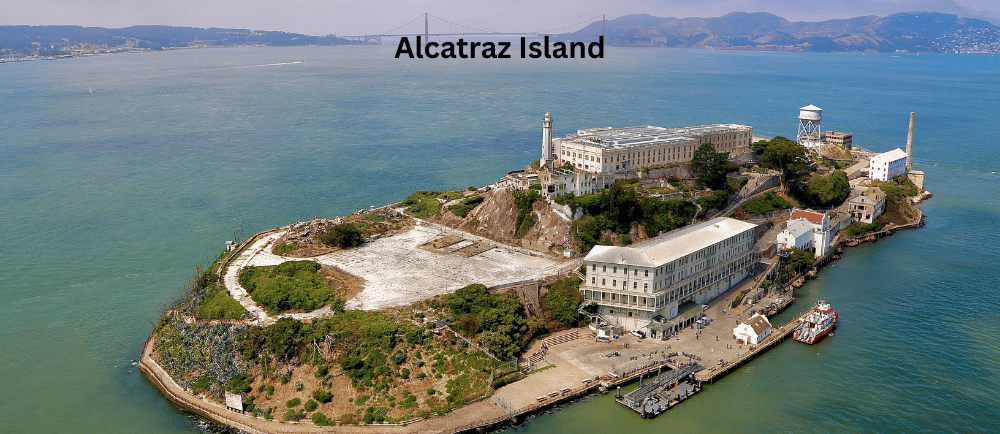
Alcatraz Island, often simply referred to as Alcatraz, has a rich and complex history, beginning as a small rocky outcrop in San Francisco Bay. Its historical significance dates back to the mid-19th century when it was initially used as a navigational landmark by the U.S. Army. Recognizing its strategic location, the government turned it into a military fortification between 1850 and 1856, known as Fort Alcatraz. This early phase set the stage for the island’s future transformations.
In the late 19th century, Fort Alcatraz became a prison for military offenders, marking the beginning of its long association with incarceration. However, it was in the early 20th century that the island gained notoriety as the premier federal penitentiary. In 1934, the facility was restructured into a maximum-security prison to accommodate notorious criminals, thereby cementing its reputation. Figures such as Al Capone and George "Machine Gun" Kelly became synonymous with the prison's infamous legacy.
The prison was designed to be inescapable, leveraging the treacherous waters surrounding the island and the cold climate to deter escape attempts. Despite its reputation for being a tough place to serve time, Alcatraz also became a symbol of society’s attempts to manage crime and punishment during the early decades of the 20th century.
However, the operational phase of the prison came to an end in the 1960s due to escalating operational costs and outdated facilities. Alcatraz closed its doors in 1963, transitioning from a site of confinement to an emblem of federal challenges regarding crime. Preservation efforts launched in subsequent years transformed Alcatraz into a national park and a must-see landmark, allowing visitors to explore its rich history while ensuring its legacy endures.
Click here for the Best Alcatraz Prison Tickets & San Francisco Combo Tour.
Notorious Inmates and Escape Attempts
Alcatraz Island is steeped in history, particularly known for housing some of the most notorious criminals of the early 20th century. Among the most infamous inmates was Al Capone, a notorious mobster whose criminal empire thrived during the Prohibition era. Sent to Alcatraz in 1934 for tax evasion, Capone's presence added an air of infamy to the island. He was often seen as a victim of his own lifestyle, suffering from syphilis and declining health during his incarceration. Another notable inmate was Robert Stroud, famously known as the 'Birdman of Alcatraz.' Though he never owned a bird during his time at Alcatraz, Stroud was previously imprisoned for murder and became renowned for his studies on birds while incarcerated.
The motivations of these inmates varied, ranging from criminal notoriety to personal redemption. While Al Capone delivered a certain glamour to Alcatraz, Robert Stroud's story reflected the more complex nature of life behind bars, where even hardened criminals sought avenues for personal growth amidst confinement.
Escape attempts from Alcatraz have also contributed significantly to its legendary status. One of the most famous occurred in June 1962, when inmates Frank Morris and brothers John and Clarence Anglin engineered a daring escape that became the subject of numerous films and books. They meticulously crafted tools from everyday items and created makeshift life vests to navigate the treacherous waters surrounding the island. The escape was audacious but fraught with challenges, highlighting the determination of those trapped in a seemingly inescapable situation.
Despite extensive preparations, the fates of the escapees remain a matter of speculation; some believe they perished in the frigid waters of San Francisco Bay, while others contend they might have successfully fled. This quest for freedom underscores the historical significance of Alcatraz not only as a fortress for notorious criminals but also as a symbol of the human spirit's resilience in the face of confinement.
Click here for an Alcatraz and San Francisco Combo Tour Package.
The Architecture and Layout of the Prison
Alcatraz Island, notorious for its association with infamous criminals, boasts a remarkable architectural design that reflects both its intended purpose and the harsh realities of prison life. The prison, constructed in the mid-19th century, features a very purposeful layout that maximizes security while minimizing opportunities for escape. The design incorporates prominent elements such as cell blocks, watchtowers, and a formidable perimeter, all contributing to the prison's legacy as an inescapable fortress.
The main structure of the prison is divided into several distinct cell blocks. The most recognized of these is the A Block, which housed the most dangerous inmates. Each cell, measuring only 5 feet by 9 feet, was sparsely furnished and lacked basic amenities, designed to emphasize the isolation felt by the inmates. There were also significant layouts for administrative areas and recreational facilities, reflecting a strategic use of space within the constraints of prison life. The narrow corridors of the prison allowed for effective surveillance, with guards able to monitor inmates closely.
The presence of watchtowers is another key architectural feature of Alcatraz. Positioned at strategic points around the perimeter, these towers provided a 360-degree view of the surrounding waters and landscape. Guards stationed in these towers could quickly detect any unusual activity, making it virtually impossible for prisoners to orchestrate a successful escape attempt. The island's isolation, surrounded by the cold and treacherous waters of San Francisco Bay, further reinforced the prison's reputation as impenetrable. This unique combination of architectural elements not only ensured the security of the prison but also shaped the experiences of the men confined within its walls.
Click here for a Horseback Ride & Alcatraz Prison Tickets.
Alcatraz as a Cultural Icon
Alcatraz Island has transcended its historical role as a notorious federal prison to become a cultural icon, firmly embedded in the collective consciousness of society. Its unique narrative has been represented across various forms of media, including films, literature, and music. The island's infamous reputation as a criminal hotspot has been sensationalized, making it a subject of fascination for audiences around the world.
The portrayal of Alcatraz in popular culture has often oscillated between fiction and dramatized reality. For instance, classic films such as "Escape from Alcatraz" and "The Rock" have contributed significantly to the island’s legacy, blending fact with entertainment. These cinematic representations depict daring escapes and notorious criminals, which, while fictionalized, underscore the public’s enduring interest in the island. Similarly, numerous books and documentaries delve into the lives of infamous inmates, exploring the harsher realities of prison life while enchanting audiences with tales of crime and punishment.
Additionally, songs and other artistic expressions have often referenced Alcatraz, using it as a metaphor for confinement and freedom. This artistic engagement has helped forge a deeper connection between the island and broader concepts of liberty and justice. Consequently, the sensationalism surrounding Alcatraz has enhanced its allure, turning it into a must-see landmark for tourists annually visiting San Francisco. Visitors are drawn not only by its intriguing history but also by the weight that popular portrayals carry in shaping public perception.
Overall, Alcatraz Island stands as a testament to the power of media in shaping cultural narratives. The intertwining of its historical significance with modern representations has helped preserve its memory, ensuring that it remains a focal point of interest and intrigue, marking its place in both history and popular culture.
Click here for the Best Alcatraz Island and Silicon Valley Tour.
Visiting Alcatraz: What to Expect
Alcatraz Island, once regarded as an infamous federal prison, is now a significant historical landmark that attracts millions of visitors each year. To experience this iconic site, planning your visit is essential. Access to the island is exclusively via ferry, with services operating from San Francisco’s Pier 33. It is advisable to book tickets in advance, especially during peak seasons, as they tend to sell out quickly. Various tour options are available, ranging from self-guided audio tours that provide an immersive experience to guided excursions led by knowledgeable park rangers.
Upon arriving on the island, visitors will have the opportunity to explore the cellhouse, where infamous inmates like Al Capone and Robert Stroud, the "Birdman of Alcatraz," were held. The audio tour includes firsthand accounts detailing life in the prison, including stories of daring escape attempts and day-to-day routines of the inmates and guards. Additionally, many other historical buildings on the island add contextual depth, such as the warden’s house and the recreation yard.
While on Alcatraz, it is also advisable to take some time to appreciate the stunning views of the San Francisco skyline and the Golden Gate Bridge, which offer a striking contrast to the island’s somber history. Visitors should be prepared for varying weather conditions; layering clothing is recommended due to the often unpredictable microclimate. Accessibility options are available for those with mobility challenges, ensuring that everyone can experience this landmark’s rich history.
In conclusion, a visit to Alcatraz Island is an enriching experience that combines history with breathtaking scenery. By planning ahead and knowing what to expect, visitors can fully immerse themselves in both the grim past and the beauty of the present on this unique island.
Click here for the The Ultimate Wine Country Experience (Private & All-Inclusive).
Preservation and Conservation Efforts
Alcatraz Island, once a notorious federal penitentiary, is now a significant historical landmark and part of the Golden Gate National Recreation Area. The preservation and conservation of this iconic site have become paramount to ensure that its unique history and cultural significance remain intact for future generations. The National Park Service (NPS) spearheads these efforts, collaborating with numerous organizations and volunteers dedicated to maintaining the integrity of Alcatraz's buildings and artifacts.
One of the primary challenges in conserving Alcatraz is its location, which subjects it to the harsh marine environment of San Francisco Bay. The salt air and moisture can accelerate the deterioration of structures, requiring continuous maintenance and extensive restoration work. Moreover, the island's history adds complexity, as conservationists must balance the need to preserve original materials and construction methods with modern safety and accessibility standards. This delicate balance poses an ongoing challenge in the preservation of the site's historical buildings.
To address these challenges, various initiatives have been implemented, focusing on both conservation and education. The NPS operates educational programs aimed at teaching visitors about the island’s storied past and the importance of preserving cultural heritage. Guided tours and ranger-led talks provide insights into the history of the island, while hands-on workshops engage younger audiences, sparking their interest in history and conservation practices. Furthermore, partnerships between the NPS and local community groups foster volunteer involvement, allowing individuals to contribute directly to the maintenance and restoration efforts on the island.
In summary, preserving Alcatraz Island as a historical site is an ongoing endeavor requiring collaboration, innovative approaches, and community involvement. The commitment of organizations, volunteers, and government entities plays a critical role in safeguarding this landmark, ensuring that it continues to educate and inspire future generations about its rich history and significance.
Click here for a Private Walking tour of Alcatraz from San Francisco.
The Legacy of Alcatraz Island Today
Alcatraz Island, once a notorious federal penitentiary, has transformed into a significant educational and cultural landmark. Its legacy extends beyond its history as a prison, serving as a vital site for discussions surrounding criminal justice and prison reform. The experiences of inmates and events that transpired on the island provide valuable lessons that inform contemporary dialogues regarding the justice system. As society grapples with issues such as mass incarceration, the circumstances surrounding Alcatraz compel a critical examination of punitive practices and the quest for rehabilitation.
In recent years, Alcatraz Island has gained prominence as a symbol of resilience and reform, attracting visitors from around the globe. The stories of its former inmates highlight the struggles against inhumane conditions and the challenges posed by a flawed prison system. The historical significance of Alcatraz resonates within social justice movements that advocate for systemic change, urging policymakers to reconsider the efficacy of current approaches to crime and punishment. Educational programs and guided tours have been developed on the island, focusing on its complex history, including a consideration of the impact on families and communities affected by incarceration.
Click here for a Private Alcatraz Night Tour and San Francisco City Tour Combo.
Additionally, Alcatraz serves as a poignant reminder of the ongoing debate surrounding prison reform. As advocates call for more humane treatment of incarcerated individuals, the history of Alcatraz underscores the need for transformative solutions that emphasize rehabilitation over punishment. The island stands as a testament to the resilience of the human spirit, illustrating how even the most infamous places can evolve into sites of reflection and learning. Through its present-day role, Alcatraz Island not only preserves history but also inspires ongoing conversations about justice, reform, and the potential for positive societal impact.
Explore
Discover top attractions across the USA today.
Travel
Guide
info@touristblogusa.com
1-800-555-0199
© 2025. All rights reserved.